Rural Support - Matthew's story
Rural Support - Matthew's story
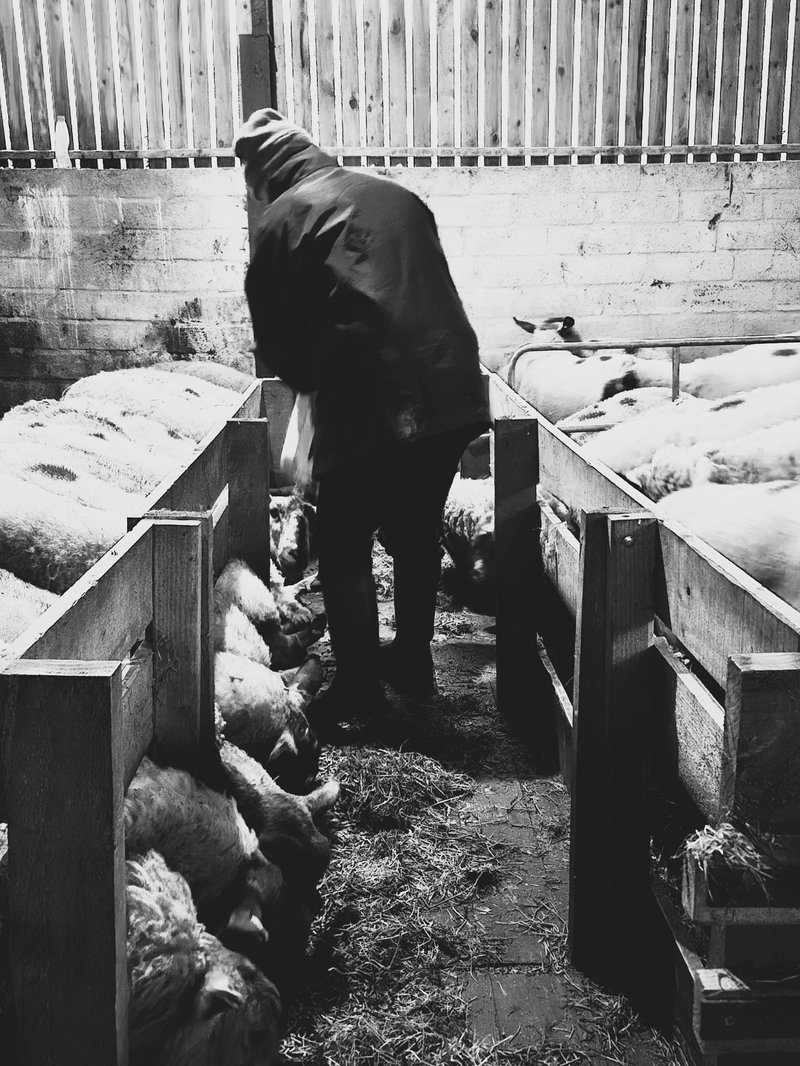
Matthew had been a dairy farmer all his life. At 52, his life was farming: early mornings, surrounded by nature, the outdoors, his cattle, and — most importantly — the companionship of his older brother, with whom he had shared both work and life.
But when Matthew phoned Rural Support in 2025, things on the farm had changed.
His voice trembled as he explained what had happened: his brother, his partner in the farm and in life, had recently been diagnosed with a terminal illness. The decision had been made — painfully, reluctantly — to sell their livestock at the local mart in just a few days’ time. For Matthew, that sale wasn’t just the end of the farm; it felt like the end of the world he knew.
Overwhelmed by stress, exhaustion, and fear, Matthew said he hadn’t slept in days. He described waking each morning with a heavy chest, headaches that wouldn’t ease, and a constant sense of dread. He worried about losing not only his brother but also his identity, his home, and his future income. And because of long‑standing family tensions with his brother’s wife, the few people he might normally have turned to felt out of reach.
As the call went on, Matthew’s words became heavier, quieter. He said he didn’t see the point of life without his brother or the farm. That staying in bed felt easier than facing the day. That sometimes he wondered if anyone would even notice if he were gone. He said he wished it would all just stop.
Rural Support’s Response
On the other side of the line, the call handler listened — not rushing, not interrupting — offering Matthew a safe place to ease the weight he had been carrying alone. Through gentle questions and active listening, they helped Matthew discuss his thoughts, feelings and emotions about what was happening in his life.
They validated his pain, acknowledging that what he was experiencing would challenge anyone. And when Matthew admitted he was having thoughts of ending his life, the call handler explored those thoughts with clarity and compassion. Matthew said he had no plan to act on them, but the distress was real and deep.
The call handler reassured Matthew, reminding him he wasn’t alone and that his feelings were understandable, not shameful.
Together, they talked through immediate supports. Matthew agreed it was important to contact his GP urgently, and he was given the Lifeline number should his suicidal thoughts intensify. The call handler also explained the counselling services available through Rural Support and, with Matthew’s consent, took his details for a referral.
Before the call ended, the call handler made sure Matthew felt heard and supported — and knew that a counsellor would be in touch within the next few days. Matthew didn’t hang up feeling ‘fixed.’ But he did hang up feeling less alone, less invisible, and with a path forward.